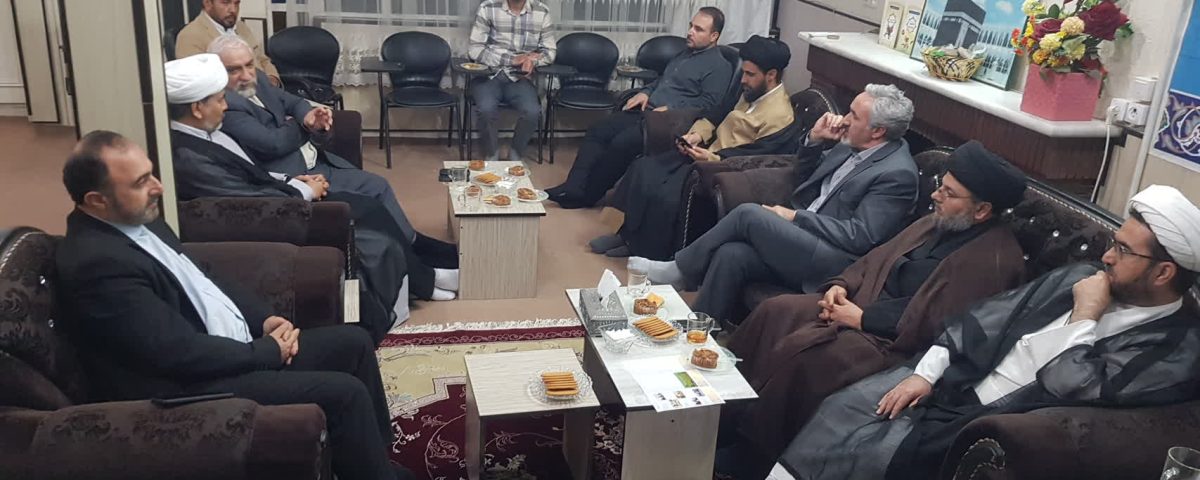
In this scientific session:
Dr. Mohammad Ghorbanpour Delavar emphasized:
The cultural and political influence of Iranian Shiites in the formation of Islamic civilization in Southeast Asia is undeniable.
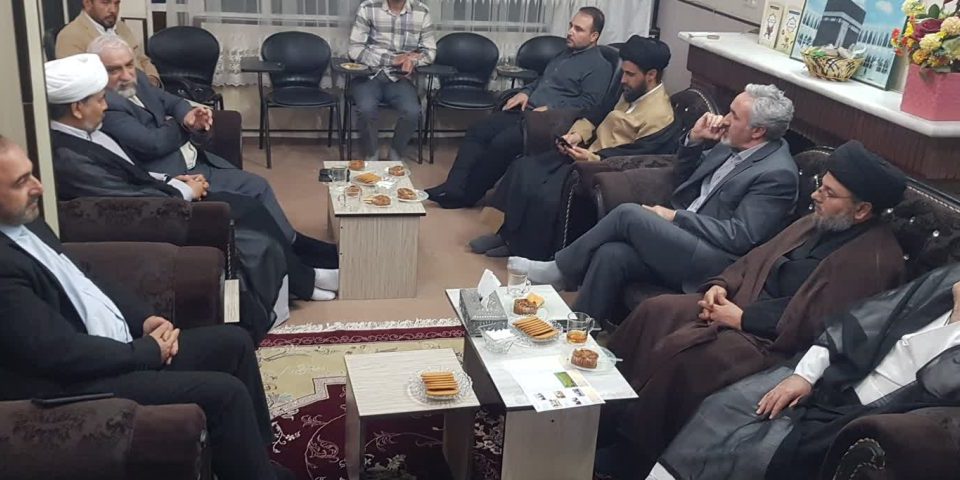
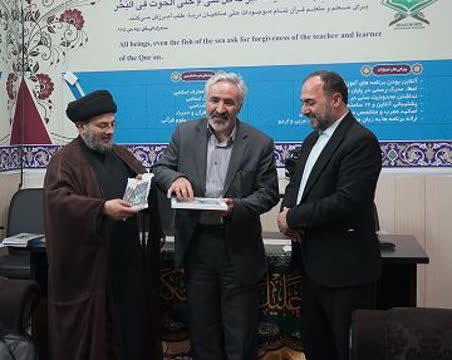
The 57th pre-session of the International Conference on Cultural Relations of Iran with East Asia, titled “The Role of the Alawians of Tabarestan in the Spread of Islam and the School of Ahl al-Bayt (peace be upon them) in Southeast Asia”, was held with presentations by Dr. Mohammad Ghorbanpour Delavar, Director of the Imam Mobin Research Center, and Hojjat al-Islam Asghar Pour Tabarestani.
Dr. Ghorbanpour, a researcher in cultural and religious studies, highlighted that the historical presence of Shiites in Southeast Asia constitutes an inseparable part of the region’s history and emphasized the profound cultural impact of Shi’ism in this area. He pointed to the role of the Persian language, as well as Persian art and culture, in shaping the distinctive features of Southeast Asian civilization. He further noted that Shi’ite influence extended across governance, mysticism, and cultural spheres, with historical sources documenting the presence of Iranian Shiites in regional governments. These cultural influences provide a foundation for strengthening cultural relations and international cooperation.
The Deputy of Research at the Faculty of Language and Culture discussed the gradual, informal spread of Islam in Southeast Asia over five centuries, noting the roles of traders, Sufi missionaries, and local Muslims, with merchants playing a particularly prominent role. He also highlighted the important presence of Sayyids and descendants of the Prophet Muhammad (peace be upon him) in the region, who played a central role in introducing and expanding Islam. Historical records document the presence of Iranian Shiites and Sayyids in regional courts.
The conference secretary further emphasized the prominent role of Sheikh Ahmad Qomi and his family in Thailand and the historical presence of Iranian Shiites in Myanmar and Thailand, illustrating their cultural contributions. These analyses and historical documents demonstrate the depth and breadth of the presence and influence of Iranian Shiites in Southeast Asia, laying the groundwork for extensive cultural and civilizational interactions.